


corina27c33455
About corina27c33455
What Are The 5 Fundamental Benefits Of Garage
 The real estate market does not move in one direction nationwide. It never has. What is happening in Austin is not what is happening in Cleveland. What is true for a three-bedroom in the suburbs of Dallas has almost nothing to do with a two-bedroom in San Francisco. Before you do anything else, narrow your focus to the specific market you are shopping in and stop reading national headlines as if they apply to you personally.
 Home prices at the national level have remained well above their pre-pandemic levels even as sales volume collapsed. The reason is supply. A seller who bought in 2021 at a three percent rate has nowhere affordable to go if they list today, which means the correction that many analysts were expecting simply did not materialize the way the data suggested it should.
Here is what that creates for someone with solid credit and a real pre-approval in hand: more room to negotiate than the market’s reputation suggests. The panic buyers are gone. The buyers who showed up with emotion instead of analysis have mostly sat back down. What remains is a more functional market, even if it is not a cheap one.
 Shop multiple loan officers to compare rates and fees. A 0.25 percent gap between two lenders’ quotes adds up to around twenty thousand dollars over a thirty-year loan on a four hundred thousand dollar mortgage. Lender fees vary too. Do not compare rate quotes without also comparing origination fees, points, and closing costs.
 If the report surfaces findings that change the financial picture of the deal, you have real choices, and walking away is a legitimate one of them. You can request a credit against the purchase price to handle repairs yourself. What you should not do is panic and waive your right to negotiate.
 The offer price is one variable among several. The buyer who calls the listing agent before submitting, asks what matters to the seller, and builds the offer around that information wins more often than the buyer who simply goes the highest.
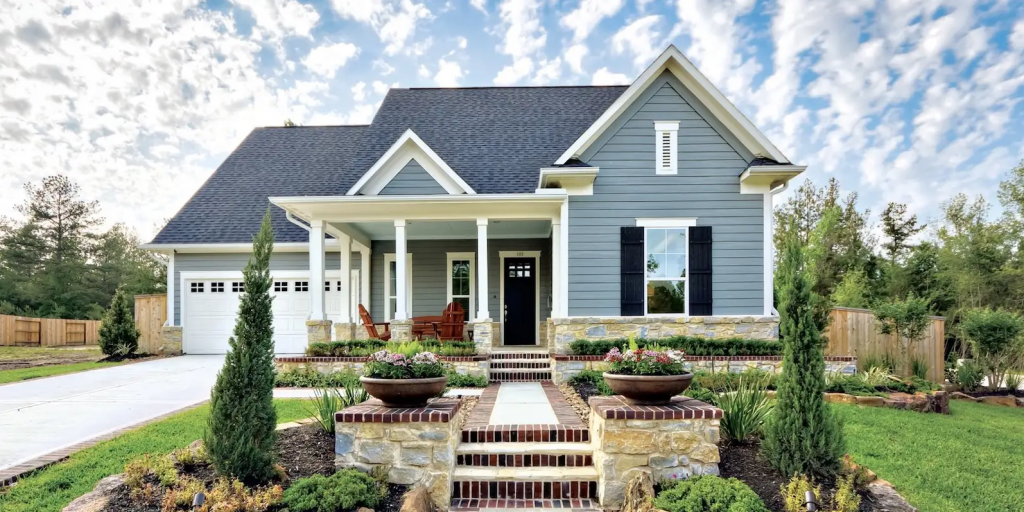 The timing question, whether to buy now or wait for a better moment, is the one that trips up more buyers than any other single factor. Waiting for the perfect moment is how people end up renting for another five years when they did not mean to. The more useful question is not whether now is the right time in the abstract; it is whether you are buying because the numbers make sense for you, not because you feel social pressure to own.
 The buyers who come out ahead in this market are not the ones who waited for perfect conditions. They are the ones who treated the purchase like a business decision rather than an emotional one. The most useful thing you can do today is look at homes for sale near you and see whether the numbers work for your situation.
No listing found.