


deba0839489030
About deba0839489030
Effective Treatments For Erectile Dysfunction: A Complete Case Study
Erectile Dysfunction (ED) is a condition that impacts millions of men worldwide, impacting their high quality of life, relationships, and self-esteem. The causes of ED may be multifaceted, including psychological, physiological, and life-style components. This case research explores one of the best treatment approaches for ED, specializing in a patient named John, a 54-12 months-previous male, who sought assist for his ED symptoms.
Affected person Background
John is a 54-year-outdated man who has been experiencing erectile dysfunction for the previous two years. He reported that he had issue reaching and sustaining an erection enough for sexual intercourse. John is married and has expressed concern about how his condition has affected his relationship with his wife. He also reported emotions of embarrassment and anxiety related to his ED.
John’s medical historical past contains hypertension, which he manages with treatment, and he has a family history of cardiovascular illness. He leads a sedentary life-style, is overweight, and occasionally consumes alcohol. Importantly, John has no historical past of diabetes or prostate points.
Initial Evaluation
Through the preliminary consultation, an intensive assessment was carried out, including a detailed medical history, physical examination, and psychological evaluation. The healthcare provider additionally carried out blood tests to check for hormonal imbalances, cholesterol ranges, and blood sugar ranges. The results indicated that John’s testosterone ranges have been within the normal range, but he had slightly elevated cholesterol levels.
The psychological evaluation revealed that John was experiencing mild depression and anxiety, possible exacerbated by his ED. He expressed emotions of inadequacy and worry of intimacy, which contributed to a cycle of anxiety and avoidance.
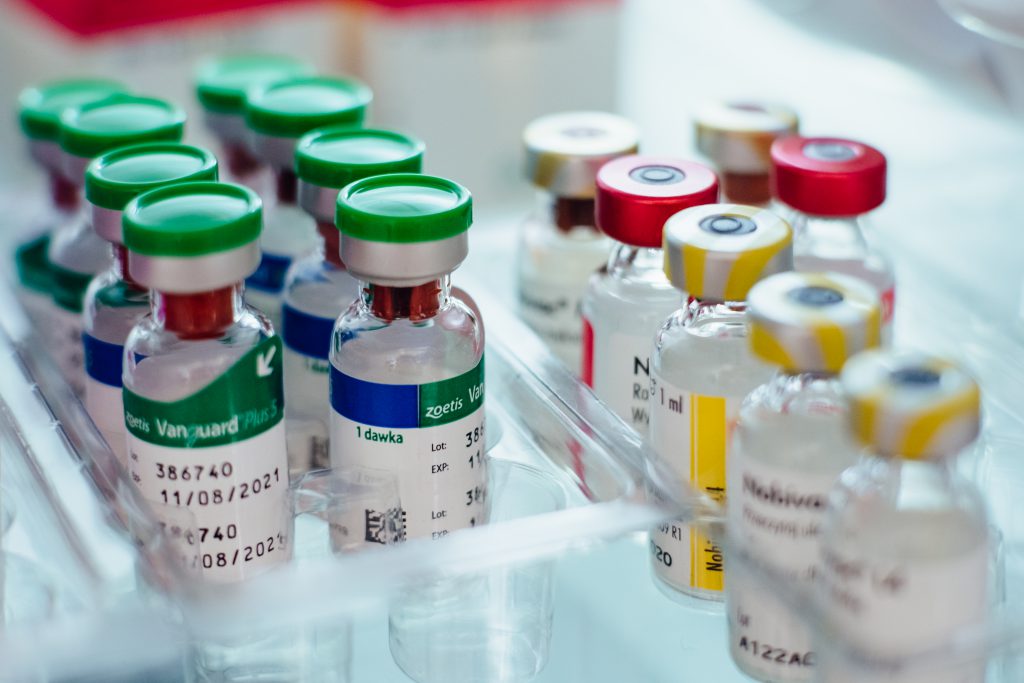
Treatment Choices
Based on the assessment, a multi-faceted treatment plan was developed for John, incorporating both medical and life-style interventions.
- Phosphodiesterase Type 5 Inhibitors (PDE5i): The primary-line treatment for ED typically consists of PDE5 inhibitors corresponding to sildenafil (Viagra), tadalafil (Cialis), or vardenafil (Levitra). These medications work by growing blood circulation to the penis and facilitating erections in response to sexual stimulation. John was prescribed tadalafil due to its longer duration of motion, permitting for more spontaneity in sexual exercise.
- Way of life Modifications: Recognizing that John’s ED was influenced by his way of life, the healthcare provider recommended several changes:
– Food plan: John was inspired to undertake a coronary heart-healthy weight loss program wealthy in fruits, vegetables, whole grains, and lean proteins. He was advised to reduce his intake of saturated fats and sugars to help decrease his cholesterol levels.
– Exercise: A regular exercise regimen was beneficial to improve cardiovascular well being, manage weight, and scale back anxiety. John was inspired to engage in not less than a hundred and fifty minutes of moderate-depth aerobic activity every week.
– Alcohol Consumption: John was suggested to restrict alcohol intake, as extreme consumption can contribute to ED.
- Psychological Counseling: Given the psychological components contributing to John’s ED, referral to a psychologist specializing in sexual well being was deemed mandatory. Cognitive-behavioral therapy (CBT) was really useful to handle John’s anxiety and self-esteem issues. The therapist labored with John to help him reframe destructive ideas about his sexual performance and enhance communication with his wife.
- Vacuum Erection Gadgets (VED): As an adjunct treatment, John was introduced to vacuum erection devices. These devices create a vacuum across the penis, drawing blood into the organ and facilitating an erection. John was educated on how to make use of the gadget and encouraged to observe using it earlier than sexual encounters.
- Comply with-Up and Monitoring: Regular observe-up appointments had been scheduled to watch John’s progress and make any needed adjustments to his treatment plan. This included reassessing his treatment efficacy, discussing any unintended effects, and evaluating his psychological effectively-being.
Outcome
After three months of following the treatment plan, John reported significant improvements in his erectile function. He was able to realize and maintain erections enough for sexual intercourse, which positively impacted his relationship with his spouse. John additionally noted a decrease in anxiety related to sexual efficiency and an enchancment in his overall mood.
The life-style modifications contributed to weight loss and improved bodily health, as John misplaced roughly 15 pounds and reported feeling more energetic. His cholesterol levels have been re-evaluated, showing a slight improvement due to dietary modifications and increased bodily activity.
John’s psychological counseling periods helped him tackle his emotions of inadequacy and worry of intimacy. He and his wife participated in therapy collectively, which enhanced their communication and intimacy, additional supporting John’s recovery.
Conclusion
This case examine illustrates the importance of a complete, multi-faceted strategy to treating erectile dysfunction. By addressing the medical, psychological, and lifestyle factors contributing to John’s ED, the treatment plan not only restored his erectile operate but in addition improved his total quality of life.
Healthcare providers ought to consider individual affected person needs and preferences when growing treatment plans for ED. Here’s more on erectiledysfunctiontreatments.online take a look at our own page. A combination of pharmacological interventions, life-style modifications, and psychological support can lead to successful outcomes, as demonstrated in John’s case. With continued comply with-up and assist, patients like John can regain confidence and enhance their intimate relationships, in the end enhancing their total nicely-being.
No listing found.